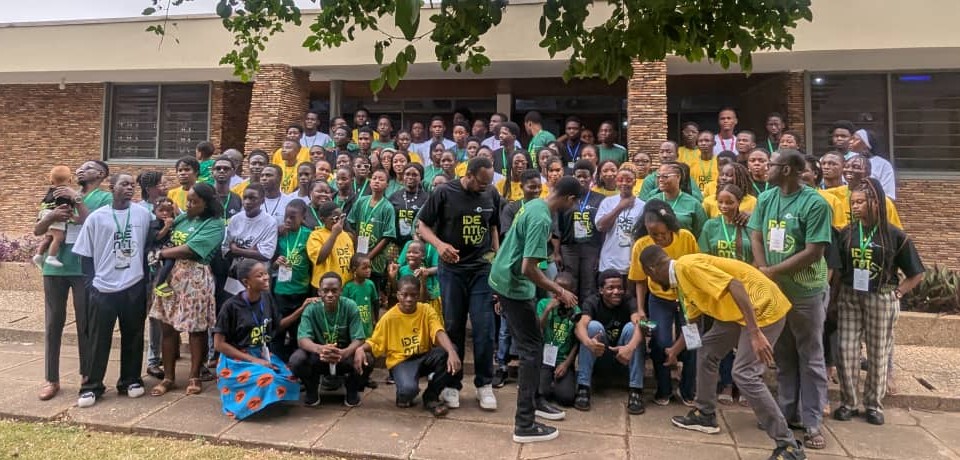
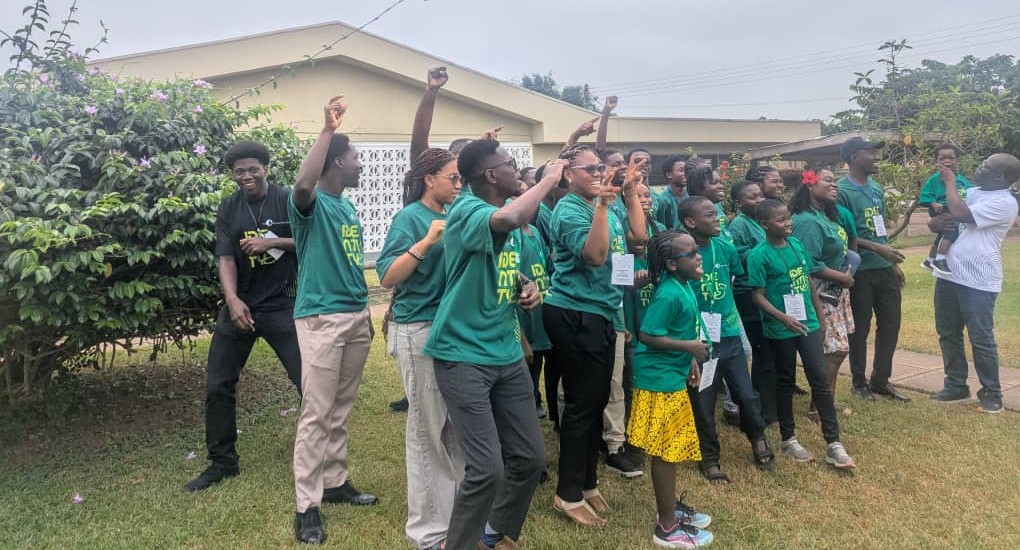
We live in a confused and highly technological world driven by artificial intelligence. Sadly, many people, including Christians, are allowing so many temporary things to define their identity. But 1 Peter 2:9 is clear about the identity of Christians. The 2026 Navigators Youth Camp, themed “Identity (Who am I?)”, was mainly to address this issue of identity, helping young people understand what God truly says they are. Not only that, but also to encourage and empower them to live out their identities with confidence.
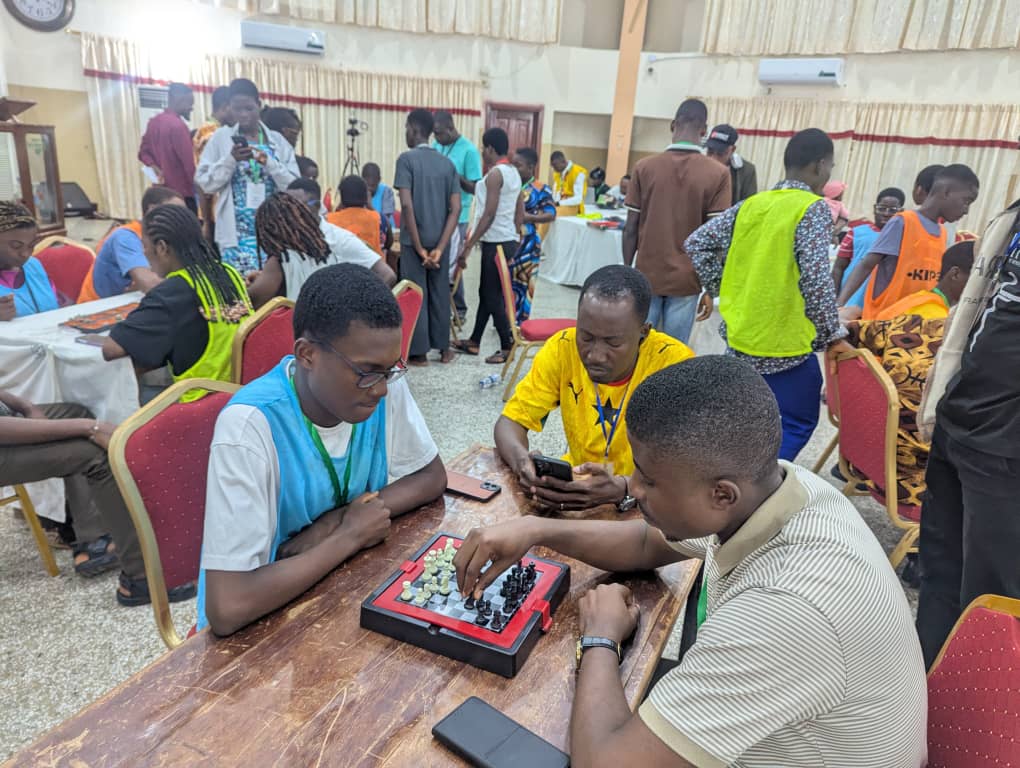
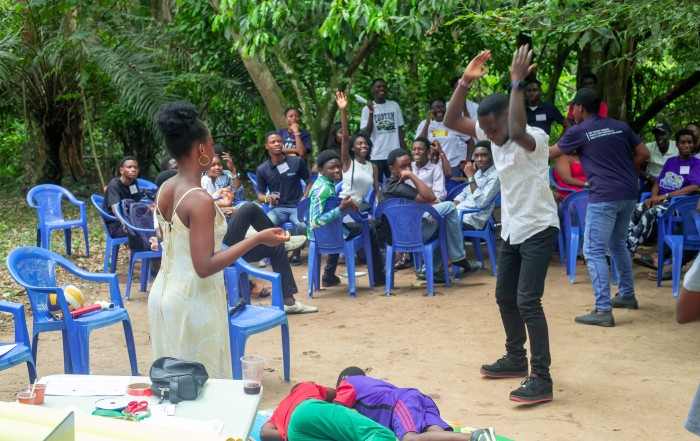
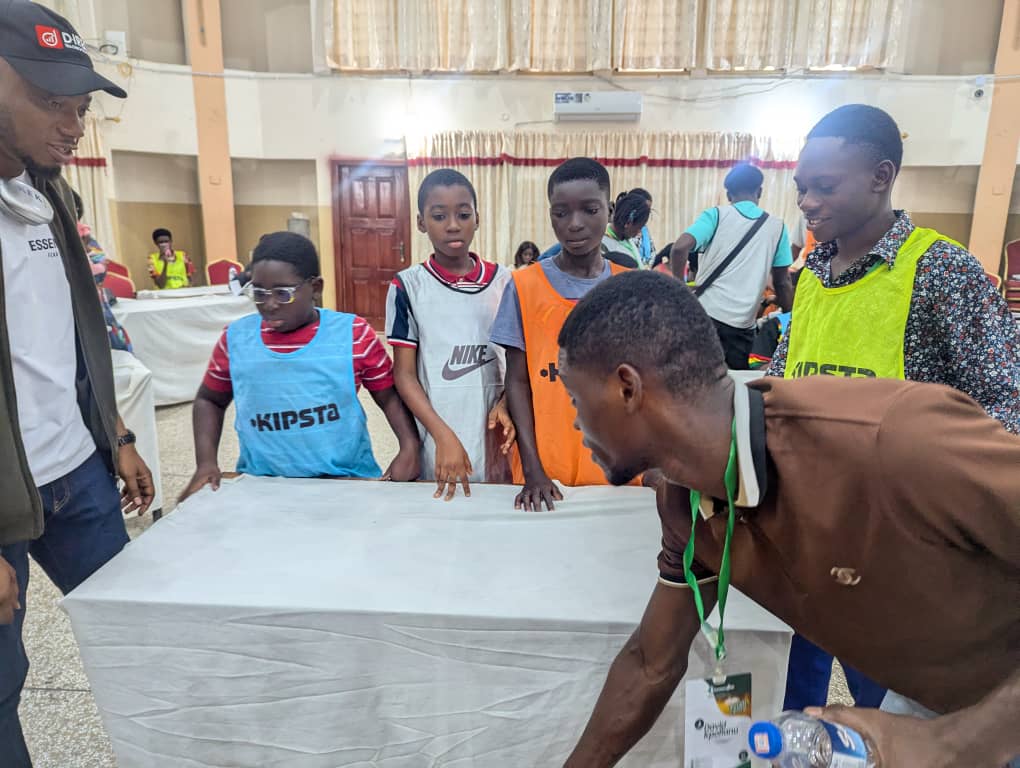
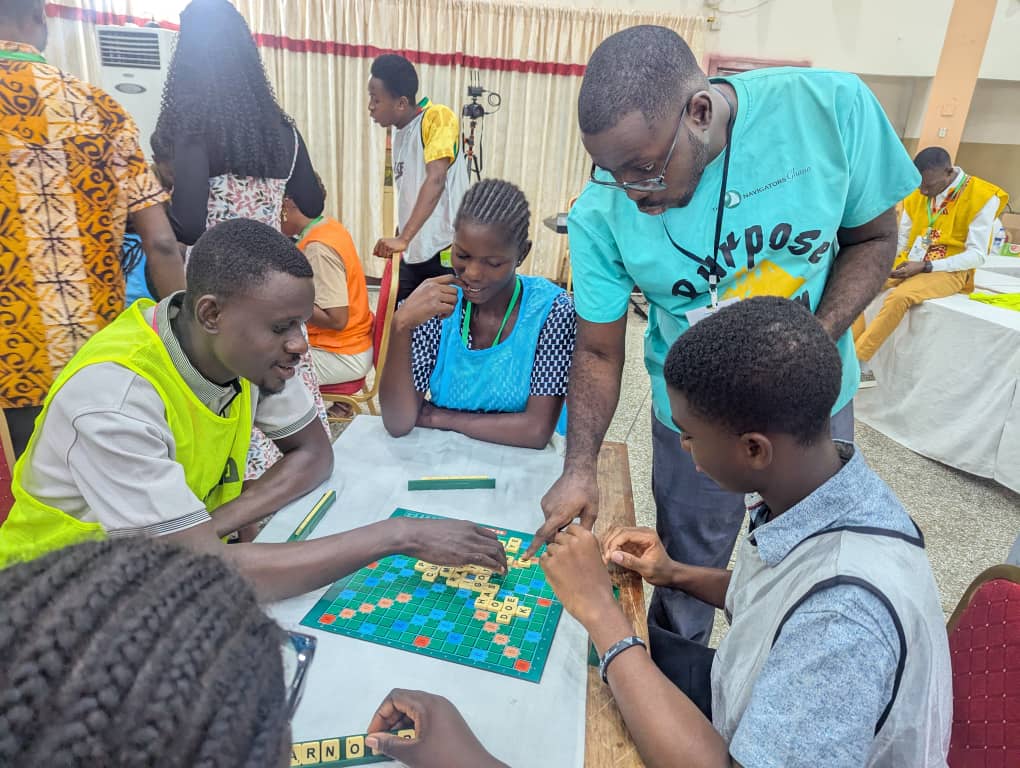
The programme was marked with different interactive and reflective activities such as Bible studies, indoor games, talks, personal reflections, aerobics, a movie night, among others. All of these impacted participants differently, but the goal was the same: helping these young people to understand who they are in Christ.
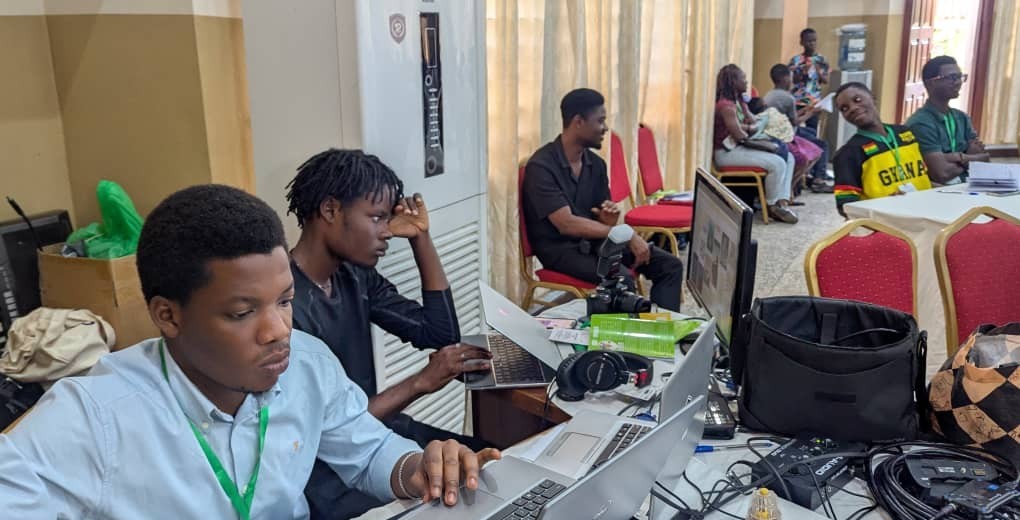
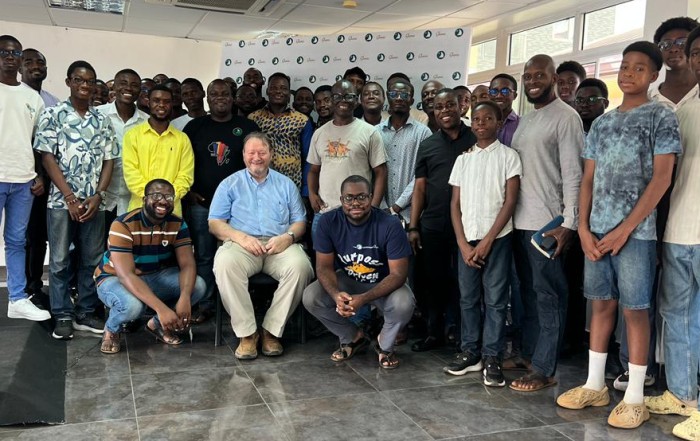
The National Director, who doubled as the speaker for the programme, delivered exactly what participants needed throughout the different talk sessions, with inspiration from the Holy Spirit. His practical illustrations and examples made it easy for even pre-teen participants to understand the theme.
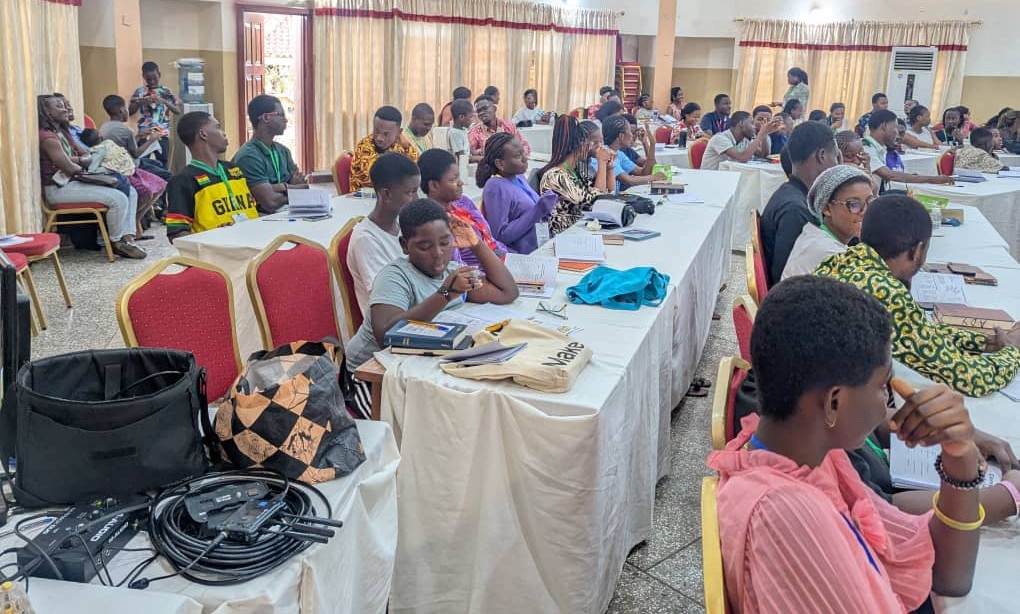
Through the talks, participants were first challenged to consider four important questions: Who am I? Where do I come from? What is my purpose? And where am I going? The sessions emphasised that knowing one’s identity is critical to fulfilling one’s purpose and destiny, and that identity in Christ changes how one understands and lives out life.
A major highlight was looking at 1 Peter 2:9, which describes believers as a chosen race, a royal priesthood, a holy nation, and God’s own people. The speaker explained these four descriptions as foundational to the Christian’s identity. Participants were then encouraged to see themselves as people belonging to God and to allow His Word to shape their choices, convictions, and worldview.
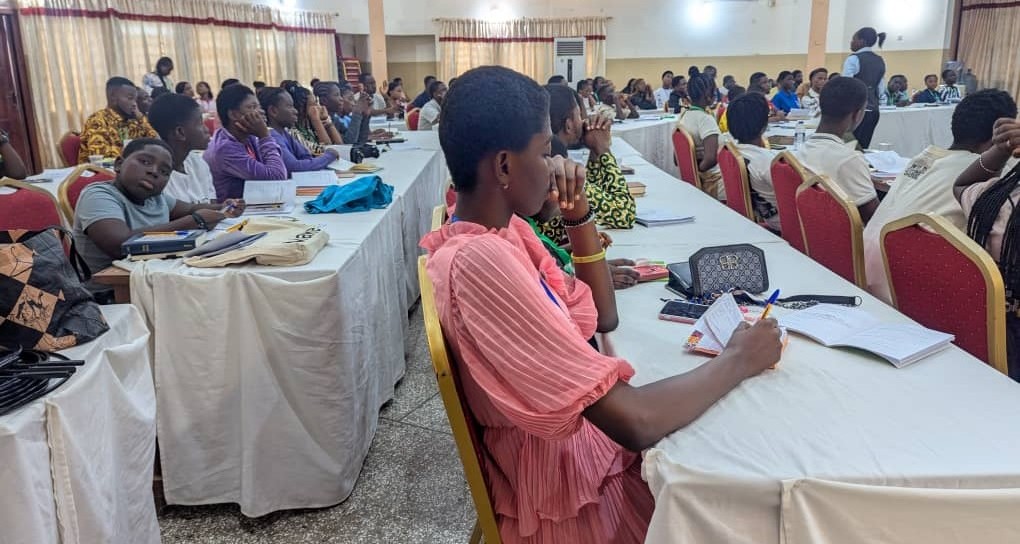
The speaker went further to use Jacob to demonstrate how God can transform a person’s identity. From Jacob’s life of deception, struggle, and fear to his encounter with God, transformation, and eventual reconciliation with Esau, participants were reminded that their past does not disqualify them from God’s grace and purpose. The session particularly emphasised that true change comes when we stop relying solely on our own strength and learn to depend on God.
The talks also helped participants appreciate the different dimensions through which people often understand identity, including personal traits, relationships, culture, social roles, work, community and self-image. However, participants were challenged to recognise that these aspects should not become the ultimate basis of their identity. Knowing who they are in Christ should shape how they understand themselves and live out their purpose.
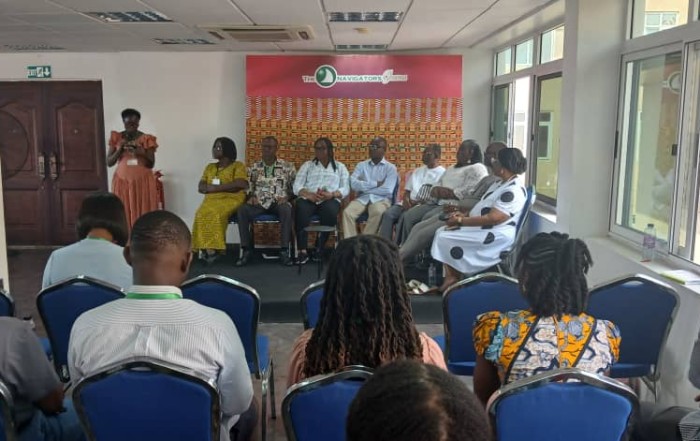
Another crucial session by Comfort from The Great Commission Ghana was “My Identity in the Digital World,” addressing the growing influence of technology and social media on how young people perceive themselves. Participants were encouraged to think critically about the identities they project and pursue online and to remember that digital visibility, opinions, trends, and social approval should not become the foundation of who they are. These sessions complemented the main talks by connecting the biblical teaching on identity with some of the everyday realities young people face.
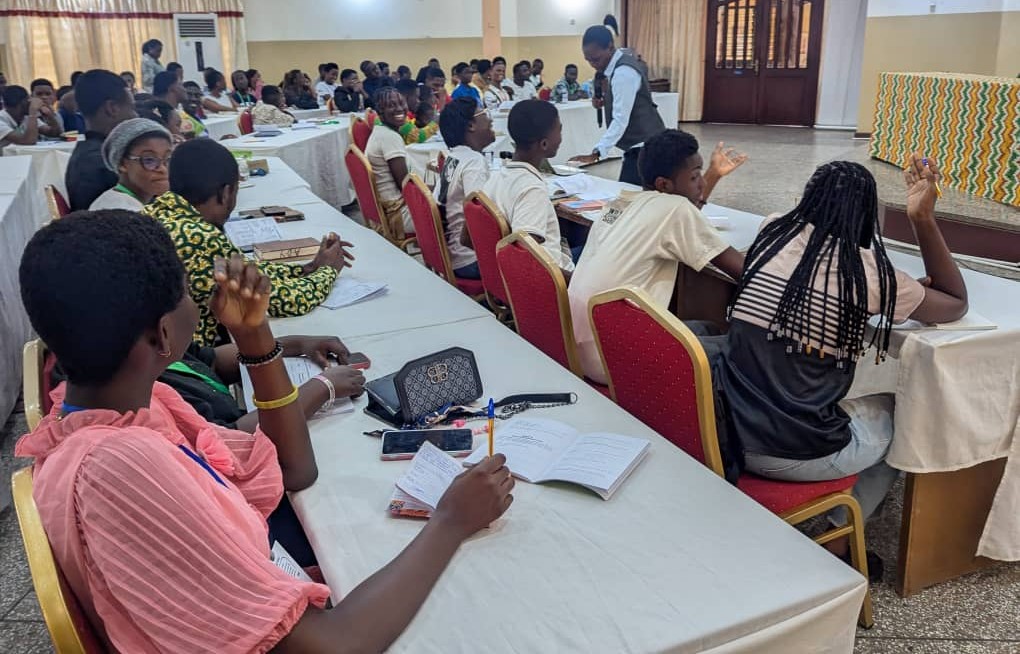
The Family Life and Relationship ministry also had a session focused on identity and relationships, challenging participants to first understand who they are, where they are going, and what God has called them to become before entering into relationships. That discussion emphasised the importance of having a clear sense of identity and purpose, such that relationships are approached from a place of understanding and direction rather than allowing relationships to define who they are or where their lives are headed.
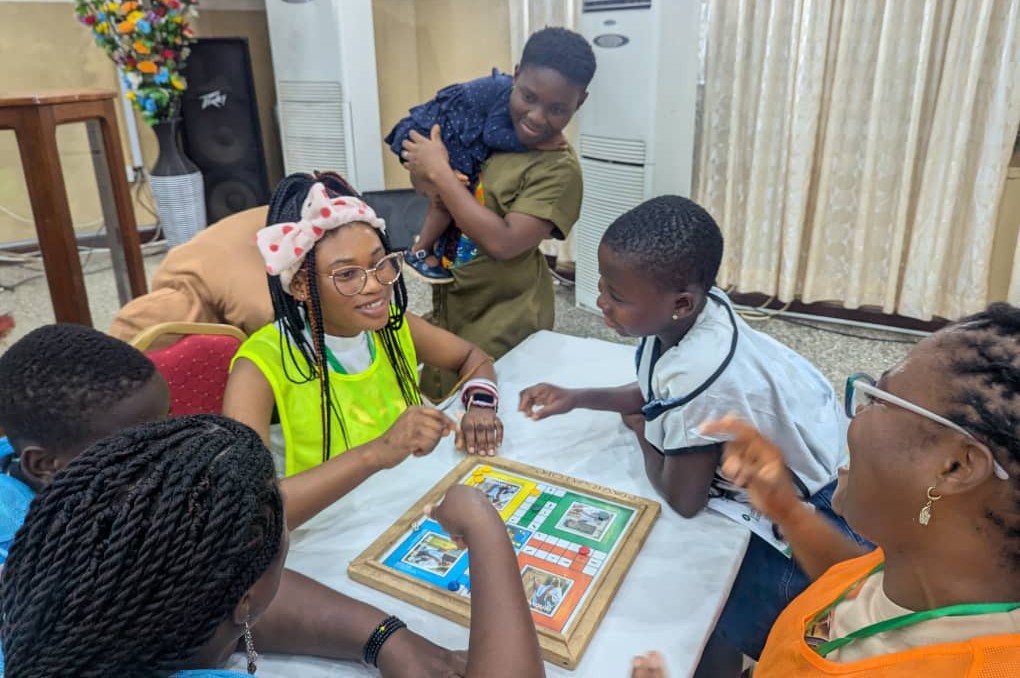
With all this, it is fair to conclude that Youth Camp 2026 was more than a gathering of young people; it was an opportunity for participants to reflect and confront one of life’s most important questions: “Who am I?” Through God’s Word, teaching, fellowship, and practical activities, the campers were reminded that their identity is not determined by society, achievements, appearances, or other temporary influences, but ultimately by who God says they are.
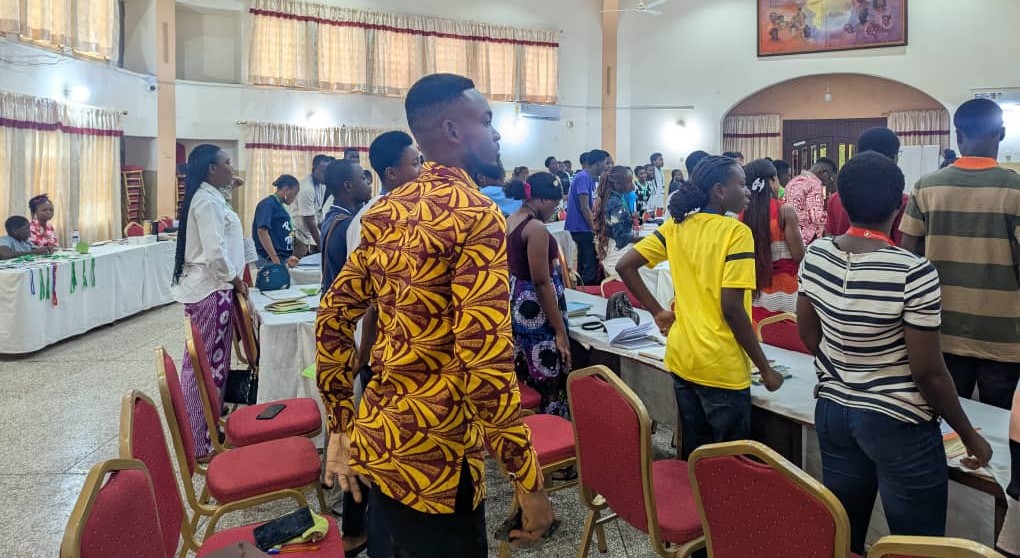
Even though the Camp has ended, we trust God that the lessons will not remain within the four walls of the camp. Rather, these young people will return to their schools, homes, churches, and communities with a clearer understanding of their identity in Christ and the confidence to live it out every day.
We are grateful to all who supported in making the programme a reality and a success.