
For many people, work is simply a means of earning a living, meeting financial obligations, and providing for their needs. Unfortunately, this perception has also found its way into the thinking of many Christians, who often regard their professional and everyday responsibilities as separate from their spiritual lives. But what does the Bible say about work? Who initiated it? Does God have an interest in what we do outside the church? And how should Christians approach their various occupations and responsibilities?
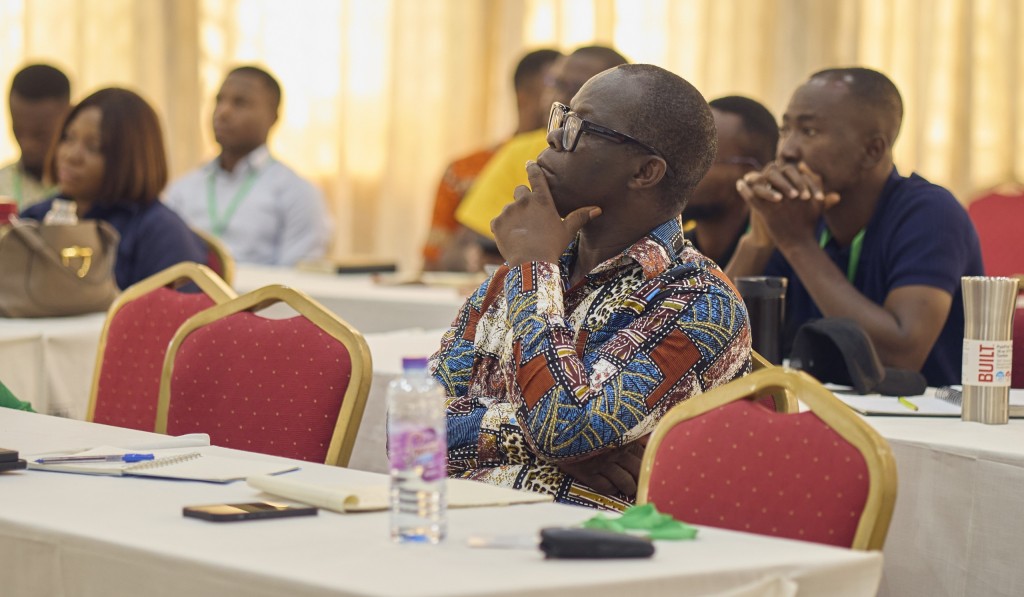
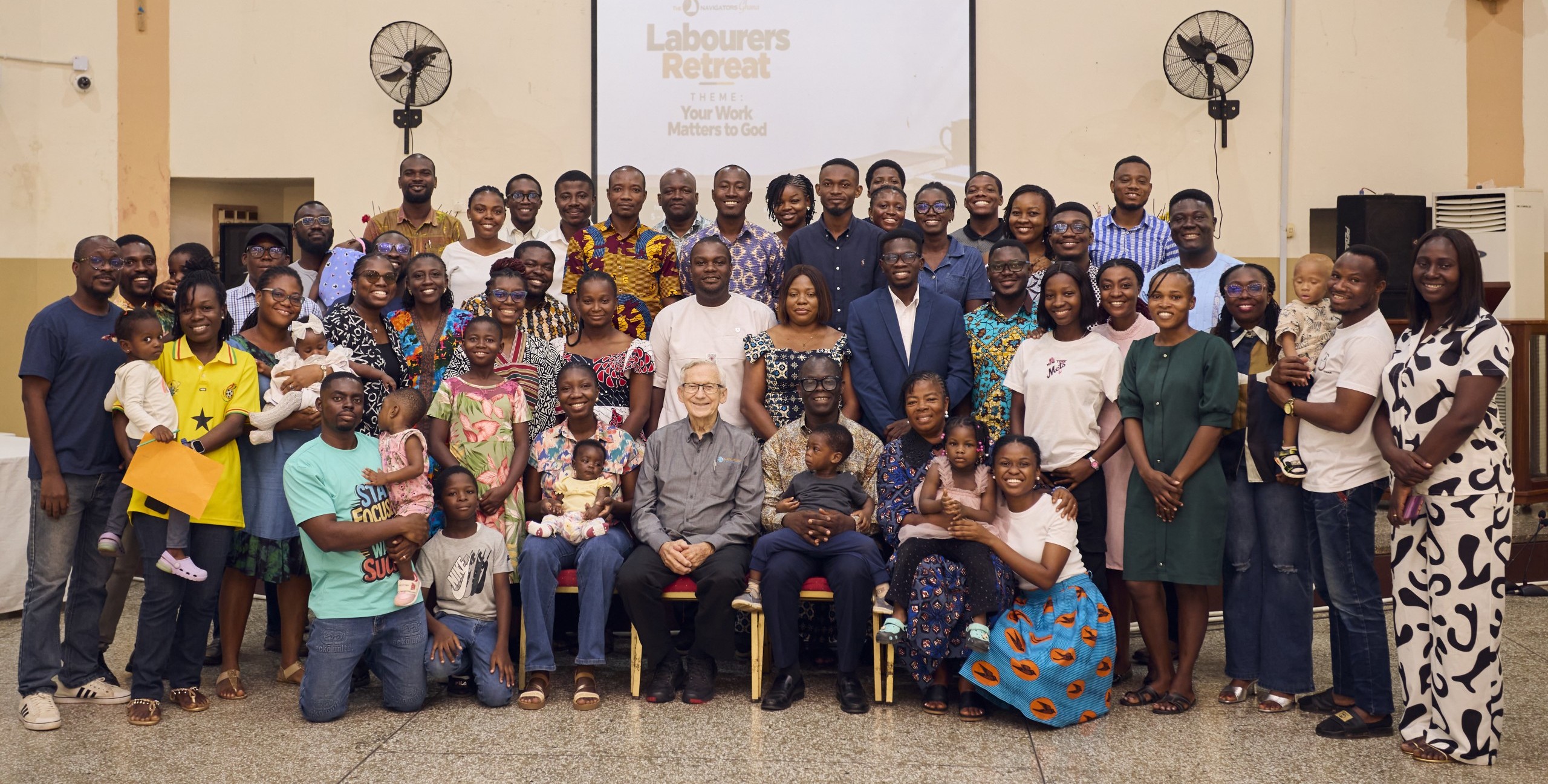
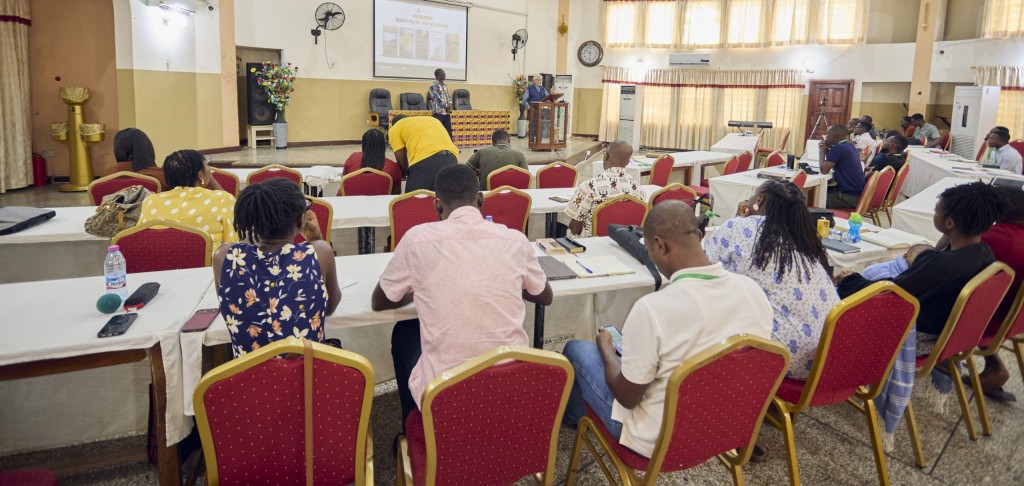
These were some of the questions explored at the Navigators Ghana 2026 Labourers’ Retreat, held under the theme “Your Work Matters to God.” The four-day residential retreat brought together participants from different professional backgrounds for a time of biblical reflection and practical learning through mentoring, workshops, talks, and fellowship, which challenged participants to reconsider their understanding of work and its place in God’s purpose.
Work: God’s idea and a divine mandate
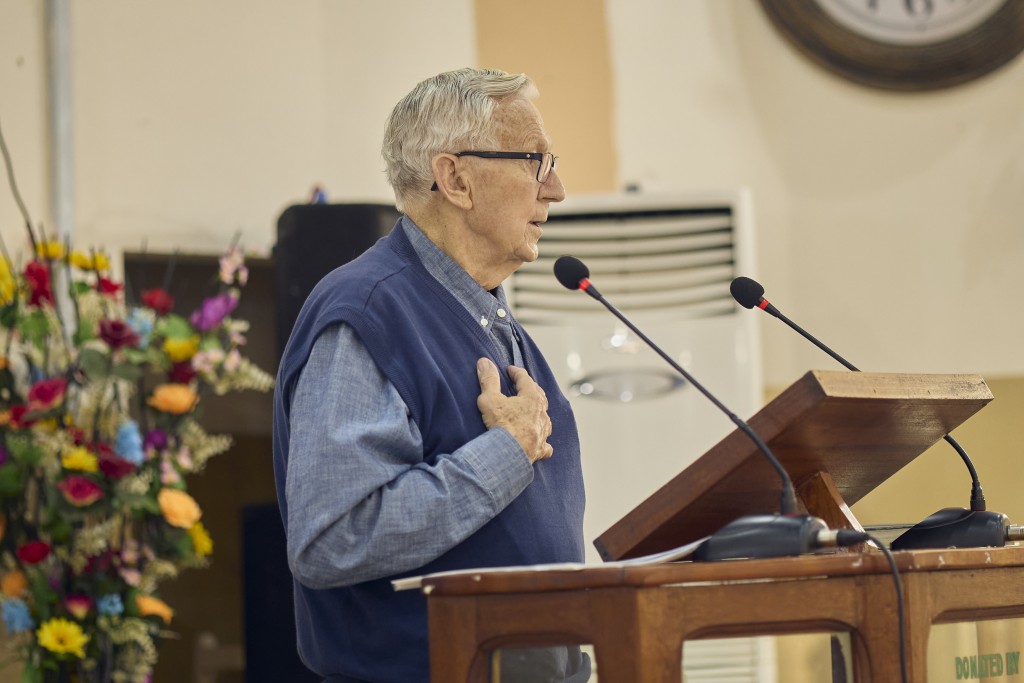
Through the Talks sessions, both speakers (Dr. Jerry E. White and James Hottor) challenged the notion that work is merely a human invention or a consequence of the fall of man. Drawing from Genesis 1:26–28 and Genesis 2:15, participants were reminded that work was established by God from the beginning. Before sin entered the world, God placed Adam in the Garden of Eden to work it and take care of it. Work, therefore, was part of God’s original intention for humanity, not a punishment.
Their presentations further highlighted that human beings were created in God’s image and given the responsibility to manage, sustain, and exercise stewardship over His creation. In Isaiah 43:7, Scripture also establishes that humanity was created for God’s glory. This means that work is not simply something people do to survive; it is part of their God-given purpose and an opportunity to reflect His character through their contributions to society.

In addressing the relationship between work and reward, participants were also encouraged to look beyond the assumption that work exists only to provide food and material comfort. While 2 Thessalonians 3:10 addresses idleness and unwillingness to work, Colossians 3:23–24 provides a deeper understanding of the Christian’s motivation: whatever they do, they should work wholeheartedly as serving the Lord, knowing that their ultimate reward comes from Him.
Work is a calling, not a secular activity
Another major emphasis of the retreat was that there is no division between sacred and secular work in the life of a Christian. In one of his presentations, (Your Work, a Holy Calling), Dr. White challenged the traditional understanding that meaningful Christian service is limited to those in full-time ministry. He emphasised that ordinary men and women in workplaces, businesses and other professions are important carriers of the Gospel.
Participants were again reminded that work is not merely a platform for ministry; it is itself a calling and a place where Christians serve God. Hence the need to recognise, equip, and value laymen and women, who have an important role in advancing God’s Kingdom through their everyday responsibilities. This perspective calls for a shift in how Christians understand their professions, recognising that their workplaces are also places where their faith can be demonstrated.

The key message was further reinforced by the reminder that work must be approached with diligence, commitment and excellence. Whether in business, public service, education, leadership or other professions, Christians are expected to make meaningful contributions to society while honouring God through their conduct and performance.
Faith, influence and integrity in the workplace
Beyond understanding work as a calling, the speakers also emphasised that Christians can live out their faith and influence the people and environments around them. In Dr. White’s presentation on “Influencing Your Fragmented World,” he encouraged participants to recognise the influence they already have within their existing networks and relationships. He highlighted the importance of investing in family, seeing work as a calling, taking advantage of opportunities to influence others, showing up consistently, and maintaining relationships with people from the past. That challenged participants to understand that Christian influence is not necessarily about occupying prominent positions but about faithfully engaging people within their everyday spheres of contact.
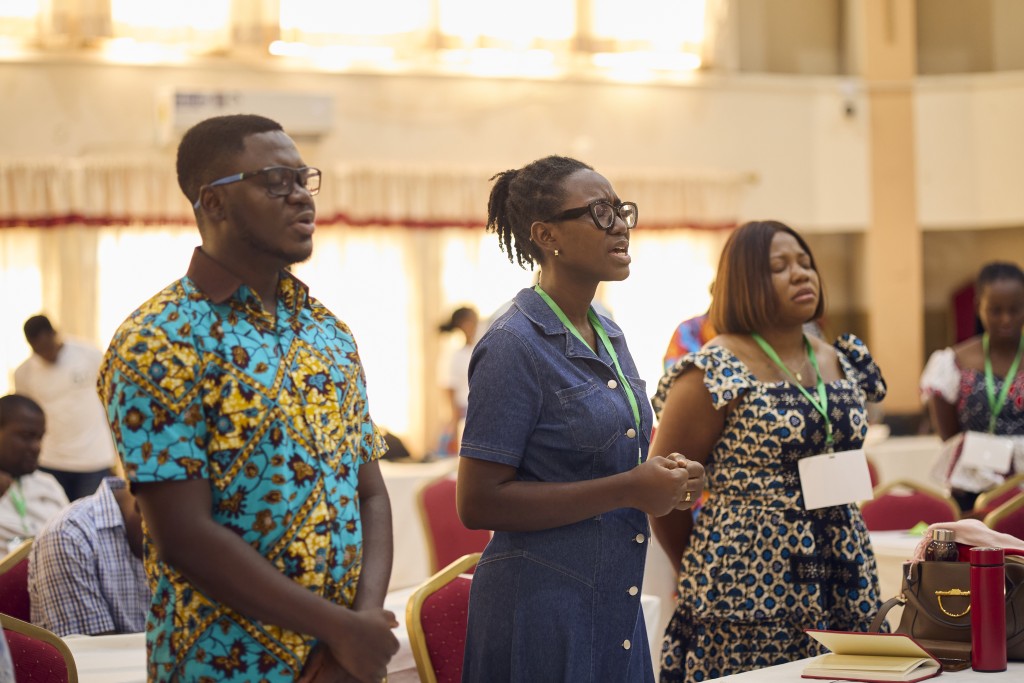
Another important subject addressed was integrity. Participants again were admonished to recognise that integrity goes beyond outward appearances or professional reputation. It begins with conscience, is demonstrated through one’s work and treatment of people, and ultimately shapes the trust and credibility others place in an individual. Personal integrity and professional integrity must remain connected, rather than allowing an individual’s conduct at work to contradict their professed Christian values.
Practical lessons from the panel discussion
The panel discussion provided another opportunity for participants to connect the biblical teachings to the realities of everyday work. Featuring Christian leaders and business owners, including Mr. Romeo Bugyei, Mr. Patrick Oduro, Mr. Charles Antwi, and Mrs. Akua Nimako-Boateng, the discussion offered practical perspectives on navigating professional work while maintaining Christian convictions.

Through their experiences and reflections, the panelists demonstrated the importance of allowing faith to influence decisions, relationships, leadership and the way business is conducted. Their contributions reinforced the central message of the retreat: Christians must not categorise their faith, thus practising it only within church settings while adopting different standards in their workplaces.
The various workshops, mentoring sessions and other activities further encouraged participants to examine their attitudes towards work, identify practical ways of living out their faith and consider how they could become positive influences within their respective professions and communities.

In conclusion, the 2026 Labourers’ Retreat served as a timely reminder that following Christ is not limited to church activities, religious gatherings, or formal ministry assignments. It must also be reflected in the offices we occupy, the businesses we run, the services we provide, the people we lead, and the responsibilities entrusted to us.
The central message was clear: work matters to God, and so does the way we do it. Christians are therefore called to approach their work with purpose, diligence, excellence and integrity, recognising that their everyday responsibilities provide opportunities to serve God and positively influence the world around them.

As participants return to their various workplaces, the challenge is to move beyond the inspiration of the retreat and translate its lessons into practical action. This means making decisions that honour God, treating people with love and fairness, pursuing excellence without compromising Christian values and recognising that every legitimate occupation can become an avenue for service.

The question, therefore, is no longer whether our work matters to God, but whether the way we work reflects the God we profess to serve. Our prayer is that these lessons continue to inspire participants and readers to understand that their work is part of their worship, their workplace is a place of ministry, and their lives are an opportunity to bring glory to God.


